Masonry and Brick Repair Across Henrico County

Call (804) 324-6304

Henrico wraps around Richmond on three sides, so the homes we work on here cover a lot of ground, from postwar brick ranches in Highland Springs and Sandston to the colonials and split-levels of Lakeside, Tuckahoe and the Near West End, out to the farmhouses and newer subdivisions in Varina. A lot of these houses are now 50 to 70 years old, and that's about the age when brickwork starts asking for attention.

We're a family of traditional masonry contractors. Brick is all we know. From Highland Springs and Sandston to Lakeside, Tuckahoe and Varina, we repair brick steps, foundations and chimneys the old way and build them to last. Our family roots go back to Scotland, where building in stone and brick with lime mortar has centuries of tradition.


Common Henrico repairs

  • Brick front steps and stoops. Steps from the 1950s through the 1970s often settle, crack at the joints, or separate from the house. Iron railings set into the brick are another frequent problem: as the posts rust, they expand and crack the brick around them.
  • Foundation and crawlspace walls. Central Virginia's clay soil swells when it's wet and shrinks when it dries out. Over the years that movement can show up as stair-step cracks in brick foundation walls. We'll tell you honestly whether a crack is cosmetic or needs structural attention.
  • Chimneys. Cracked crowns, failing flashing and worn mortar near the top of the stack are the usual culprits behind leaks around the fireplace.
  • Repointing. Mortar on the weather side of a house wears faster. Repointing those walls before water gets behind the brick costs far less than rebuilding later.


Lime or Cement? Matching the Mortar to Your Henrico House

Henrico has every age of brick house, so the right mortar depends on the house. Older farmhouses and pre-war homes in places like Lakeside and Varina were usually laid in lime mortar with softer brick. On those, we repoint and repair in lime, a mortar softer and more breathable than the brick, so the wall dries out through its joints and the joints wear instead of the brick. Hard Portland cement on that brick traps moisture and leads to cracked, flaking faces.

Many postwar ranches and colonials from the 1950s on were built with harder brick and cement-lime mortar. There, the job is to match what's already in the wall in strength, color and joint finish, not to force a soft lime into a hard wall. Either way, the principle is the same one the National Park Service sets out for repointing: new mortar should never be harder than the brick or the old mortar it sits beside. We'll tell you which your house has when we come out.
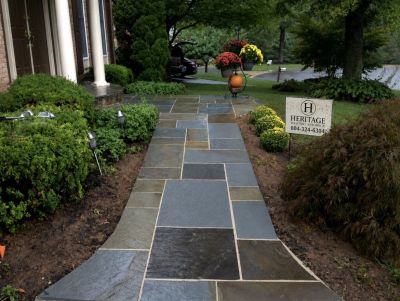

Flagstone front walkway installed by Heritage Masonry & Brick

Lime Mortar Repointing for Henrico's Older Brick Homes

Mortar joints are meant to wear out before the brick does. On an older brick house, the joints slowly weather back over the years, and the face of the wall takes most of the weather. Repointing means raking those joints out to a sound depth and packing them with fresh mortar before water starts getting in behind the brick.

On older brick laid in lime, we repoint in lime. We rake out by hand where the brick is soft, so the edges don't get chipped and the joints don't end up wider than they started. Then we fill the joints in layers, tool them to match the original profile, and keep the new mortar damp and shaded while it cures. Lime that dries too fast won't last, so we plan the work around the weather. Color and texture come mostly from the sand, so we look at what's already in your joints and match it. That way a repointed wall looks like the rest of the house, not like a patch.

Where an earlier repair used hard gray cement on soft brick, we cut it out carefully and repoint with a mortar that suits the wall. For the full process, see our page on lime mortar repointing and tuckpointing.

How Long Good Repointing Lasts

Done properly, repointing isn't something you should be paying for again any time soon. The National Park Service's guidance on repointing historic masonry (Preservation Brief 2) says a good repointing job should last at least 30 years, and preferably 50 to 100. That only holds when the mortar suits the brick, the joints are raked out deep enough and filled properly, and the mortar cures slowly. Skip any of those and you'll be back in a few years. That's why we'd rather take the time to get it done right the first time.

Brick Step Repair and New Brick Steps in Henrico

Front steps take more wear than any other brickwork on the house. They're walked on every day, rain sits on the treads, and freeze and thaw work at the joints all winter. On a lot of Henrico homes, the brick steps are as old as the house, and they show it with loose treads, open joints, cracked brick around railing posts, or a gap opening between the stoop and the wall.

Many steps can be saved. If the footing is sound, we reset the loose brick, replace the cracked ones with brick matched to the house, and repoint the joints. If the base has failed, we take the steps down and rebuild them on a proper footing below the frost line, with an even rise and run on every step and a slight pitch on the treads so water runs off. Railing posts get set so water can't sit against the brick and rust them out again.

We also build new brick steps, stoops and landings from scratch, and can tie them into a new walk. See brick step repair and new brick steps.

Chimney Repair and Chimney Crowns

Most chimney leaks start at the top. The crown is the cap that sheds water off the top of the stack. When it cracks, water runs straight into the brick and down toward the fireplace. Worn joints near the top, loose brick and failing flashing where the chimney meets the roof are the other usual causes.

We repoint chimneys in a mortar that suits the brick and stands up to the weather up there. Where the crown has failed, we rebuild it solid and sloped, with an overhang and a drip edge so water falls clear of the brick instead of running down the face. Cracked or broken flue tiles and caps can be replaced at the same time. When a stack has leaned or lost too much brick, we take it down to sound work and rebuild it in matched brick. See chimney repair, crowns and rebuilds.

Foundation Brick Repair

Brick foundation and crawlspace walls are easy to forget until something shows up: a stair-step crack, a bulge, crumbling mortar near the ground or a brick pier that's started to lean. Low on the wall is where water collects, so that's often where the mortar goes first.

We start by finding the cause, whether it's a gutter, a downspout, grading that runs water toward the house or plain age. Then we repair the brick. That can mean repointing worn joints, replacing spalled brick, stitching across a crack, or taking out and relaying a section of wall or a pier in matched brick. On older lime-laid foundations we repair in lime, so the new work can move with the old. If a crack needs more than a mason, we'll tell you so. See foundation and structural brick repair, or our general brick repair page for loose and broken brick anywhere on the house.

Retaining Walls and Garden Walls

A wall that holds back earth has to be built from the ground up: dug to firm ground, a solid footing, drainage behind it so water can't build up pressure, and brick or stone laid in a mortar that suits the wall. Most failing retaining walls we're called to look at lean or crack because one of those was skipped.

We repair old brick and stone retaining walls, rebuild leaning sections, and build new ones. We also build freestanding garden walls, raised brick planters, piers and columns, matched to the house so they look like they've always been there. See retaining walls and new brickwork.

Brick Walkways and Driveway Edging

A brick walk to the front door, a patio out back or a clean brick edge along the drive finishes a house. Like steps, they only last if the base underneath is right. We dig to firm ground, build a compacted base, and set the brick in a running bond, herringbone or basketweave pattern so it stays flat and sheds water away from the house.

For driveways, we set a brick edge on a solid footing, standing the brick on end or on edge so it won't roll or creep when a tire rides over it. It holds gravel, asphalt or pavers in place and keeps the edge from crumbling into the lawn. See brick patios, walkways and driveway edging.

How we work

We start with a visit to look at the problem and the cause behind it. There's no sense patching a crack if a downspout is dumping water against the foundation, and we'll point that out when we see it. Then you get a written estimate that spells out the work, the materials and the price. When we repair, we match the existing brick and mortar color so the work blends with the rest of the house.

We're a licensed Virginia contractor, based in downtown Richmond and a short drive from anywhere in the county, including Glen Allen and Short Pump in western Henrico.

Henrico Areas We Serve

We work all across Henrico County. In the western part of the county that means Short Pump, Glen Allen, Tuckahoe and the West End. Closer in, it's Lakeside and the Northside neighborhoods along the city line toward Ginter Park. To the east, it's Highland Springs, Sandston and Varina. We have over 25 years of experience, and every job comes with a 5-year guarantee on labor and materials. We're based in downtown Richmond. Homes inside the city are covered on our main Richmond masonry contractor pages, and older rowhouses on our Fan and Museum District page.

2026 Quality Business Award

Winner of the 2026 Quality Business Award for The Best Masonry in Richmond, Virginia. The award certificate recognizes an overall quality rating of 95% or higher. Heritage Masonry & Brick is also listed on the Virginia Department of Historic Resources (DHR) Historic Trades List, the state's directory of tradespeople who work on historic buildings.

If you want the job done right the first time, look no further. We'd rather do it once, the old way, than come back in a few years to fix somebody's shortcut. Historic England warns that hard, cement-rich mortar on old brick traps moisture and speeds up the decay of the brick around it. So we choose the lime mortar to suit the wall, fill the joints properly and let them cure slowly. Work built to last decades.

Got a sinking stoop, a cracked foundation wall or a chimney that's leaking? Call Thomas and the family at (804) 324-6304.

Henrico FAQ

My brick steps are pulling away from the house. Can they be repaired, or do they need rebuilding?

It depends on what's underneath. If the footing is sound, a repair and repoint may be enough. If the steps have settled because the base failed, rebuilding is usually the better long-term fix. We'll show you what we find.

Are stair-step cracks in my foundation serious?

Not always, but they're worth having checked. Hairline cracks that aren't growing are often minor. Wide, growing or displaced cracks need a closer look.

Do you serve eastern Henrico, like Sandston and Varina?

Yes. We work across the whole county.

How can I tell whether my house was laid in lime or cement mortar?

Age is the first clue, and the mortar itself is the second. Lime mortar is usually softer and lighter in color, and it can often be scratched with a key. Hard gray cement won't scratch. We'll check the joints when we come out and tell you which you have before we recommend a mortar.

My chimney crown is cracked. Can it be patched, or does it need rebuilding?

Small hairline cracks can sometimes be sealed, but a crown that's broken up, flat, or has no overhang will keep letting water in. In that case, rebuilding the crown properly is the fix that lasts.

Can new brick steps or a new wall match my house?

In most cases, yes. We match the brick in size, color and texture as closely as we can, and match the mortar color and joint finish too, so new work looks like it belongs to the house.

When is the best time of year to repoint?

Lime mortar likes mild weather, not hard frost or baking sun. Spring and fall are ideal in central Virginia, though we can work through much of the year by shading and protecting the new joints while they cure. We'll plan the timing with you.